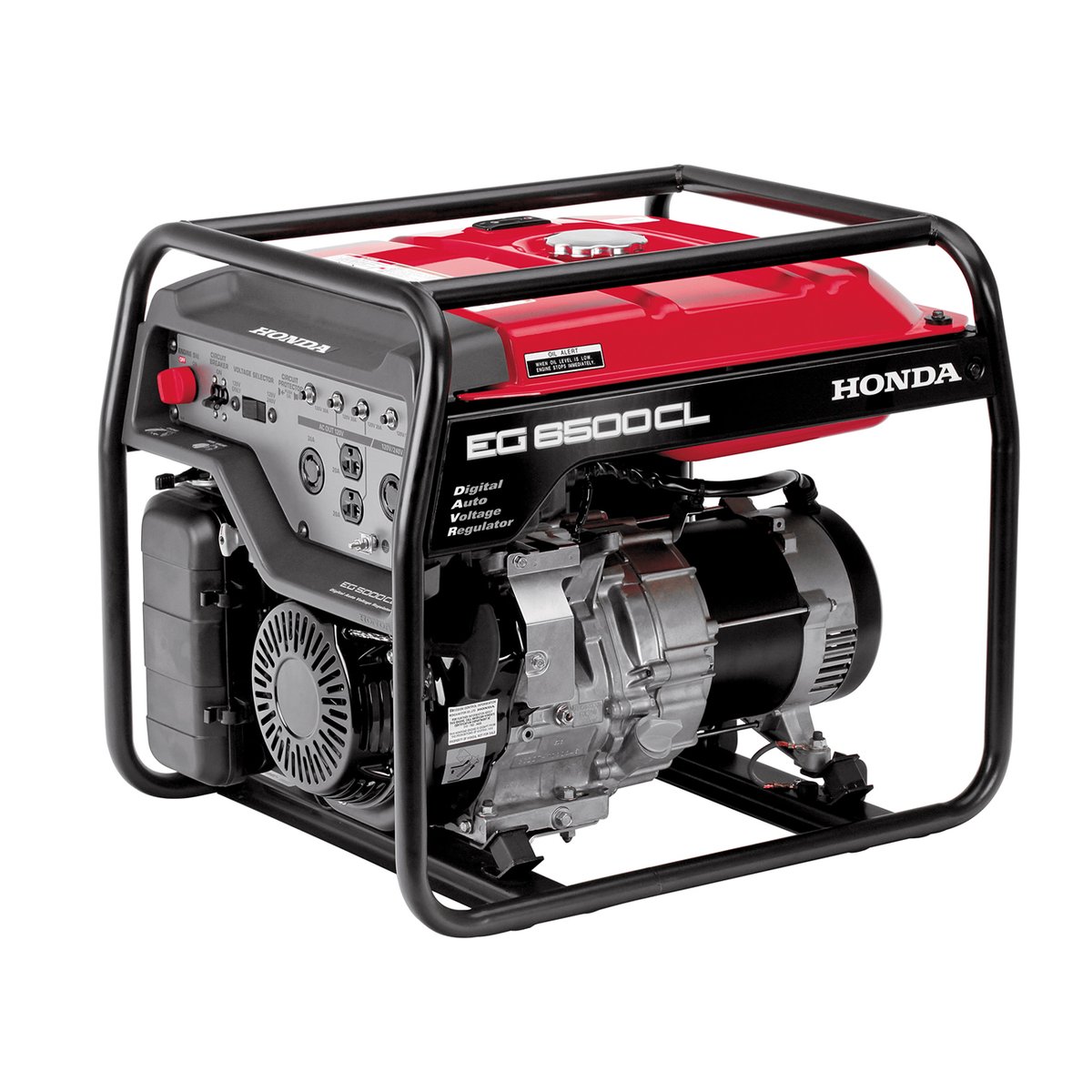
Honda generators are renowned for their reliability, efficiency, and quiet operation, making them a cornerstone for power generation at home, on job sites, or during outdoor adventures. However, even the most robust machinery requires proper care and the right components to maintain its legendary status. Understanding the role of each Honda generator part isn't just about fixing what's broken; it's about proactively safeguarding your investment and ensuring your generator delivers reliable power for years to come.
This comprehensive guide will navigate you through the world of Honda generator components, from essential maintenance items to crucial repair parts. We'll help you identify common issues, understand replacement procedures, and empower you to keep your Honda running like new. To truly master your generator's needs, we encourage you to dive deeper into our dedicated resources, starting with a clear understanding of your unit's various components. For a visual and detailed breakdown, explore our guide on Honda Generator Part Identification.
Understanding Your Honda Generator's Vital Components
At the heart of every Honda generator lies a meticulously engineered system, where each part plays a critical role in its overall function. From the tiny carburetor gasket ensuring an airtight seal to the robust flange bolt securing components, every piece contributes to the seamless operation you expect. Neglecting any of these parts can lead to decreased efficiency, poor performance, or even complete operational failure.
The Lifeline of Performance: Essential Maintenance Parts
Regular maintenance is the secret to a long and productive life for your Honda generator. Certain parts are designed to be consumables, acting as guardians against wear and tear, and require periodic inspection and replacement. Being proactive here saves significant headaches and repair costs down the line.
Breathing Easy: Air Filters and Fuel Filters
Your generator's engine needs clean air and fuel to perform optimally. The Air Cleaner Element, an original Honda replacement foam filter, is vital for keeping dirt and debris from entering and clogging the engine. Over time, this filter will inevitably clog, compromising performance and needing replacement to ensure your engine breathes freely. Similarly, the genuine OEM plastic fuel filter prevents dirt and contaminants from reaching the carburetor. If this filter gets clogged, it restricts fuel flow, starving your engine and necessitating replacement.
Igniting Power: Spark Plugs
The spark plug is a high-quality, genuine OEM component that delivers the electric current needed to ignite the air-fuel mixture in your engine. Proper ignition is fundamental for efficient power generation. It’s crucial to gap your spark plug according to your owner's manual for optimal performance. Replacement is straightforward, typically requiring a spark plug wrench or a socket wrench. For a full breakdown of all essential checks and replacements, you’ll want to Learn Honda generator maintenance essentials and keep your unit running smoothly.
Addressing Common Issues: Gaskets and Seals
Gaskets are the unsung heroes of your generator, providing airtight seals between various components to prevent leaks and maintain internal pressure. Over time, these compound or rubber materials can deteriorate, wear out, crack, or become brittle. When this happens, leaks can occur, compromising performance and requiring immediate attention.
Honda generators utilize several crucial gaskets:
- Carburetor Gasket: An authentic manufacturer-sourced gasket that provides an airtight seal between the carburetor and the insulator.
- Carburetor Insulator Gasket: This genuine Honda replacement gasket seals the connection between the carburetor insulator and the cylinder's intake.
- Carburetor-Insulator Plate Gasket: This OEM gasket specifically seals the connection between the carburetor and the insulator plate. It's always a good practice to replace gaskets when servicing the carburetor to ensure proper sealing upon reassembly.
- Head Cover Gasket: Made of rubber, this gasket ensures an airtight seal for the head cover. If it deteriorates, it can lead to leaks. Replacement is a quick job, often just requiring a wrench to remove the head cover bolt, separate the cover and old gasket, secure the new one, and reattach the cover.
These vital sealing components are frequently involved in necessary repairs. If you're experiencing operational problems, it's very likely a gasket needs attention. To understand the full scope of potential fixes, consult our guide on Common Honda generator repairs.
Diagnosing and Fixing Problems: From Fuel Flow to Secure Connections
Sometimes, generator issues are more complex than routine maintenance. Recognizing the symptoms of a failing part is the first step towards a solution. Restricted fuel flow, for instance, often points to a clogged fuel filter or issues within the carburetor system where gaskets and even a carburetor spacer play roles. This authentic Honda replacement carburetor spacer provides crucial spacing between the carburetor and the air cleaner assembly, and sometimes replacement is necessary if it's damaged.
Another critical component is the flange bolt, an OEM-manufactured part with a wide, flat flange that distributes load and prevents loosening, providing a secure connection between two parts. Damaged (cracked or corroded) flange bolts must be replaced immediately, as loose or vibrating parts can detach during operation. Removal usually requires a socket wrench, with rust dissolver or penetrating oil for stubborn bolts. If your generator is acting up, and you're unsure why, our comprehensive resources can help. Don't let a minor glitch turn into a major headache; explore our Honda generator troubleshooting guides Troubleshoot your section to pinpoint the problem and find the right fix.
Sourcing Genuine Honda Generator Parts
When it comes to replacing any component on your Honda generator, authenticity is paramount. Using genuine OEM (Original Equipment Manufacturer) parts ensures compatibility, maintains performance standards, and extends the life of your machine. Aftermarket parts might seem like a cost-saving solution, but they often lead to subpar performance, potential damage, and voided warranties. Always opt for authentic Honda replacements to guarantee your generator operates as intended. For comprehensive advice on navigating the market and securing the right components for your unit, refer to our guide on How to buy Honda generator parts.
Maintaining your Honda generator with genuine parts and regular attention is an investment that pays dividends in reliable power and peace of mind. By understanding each component's role and knowing where to find authoritative information and parts, you're well-equipped to ensure your Honda generator remains a dependable workhorse for years to come.