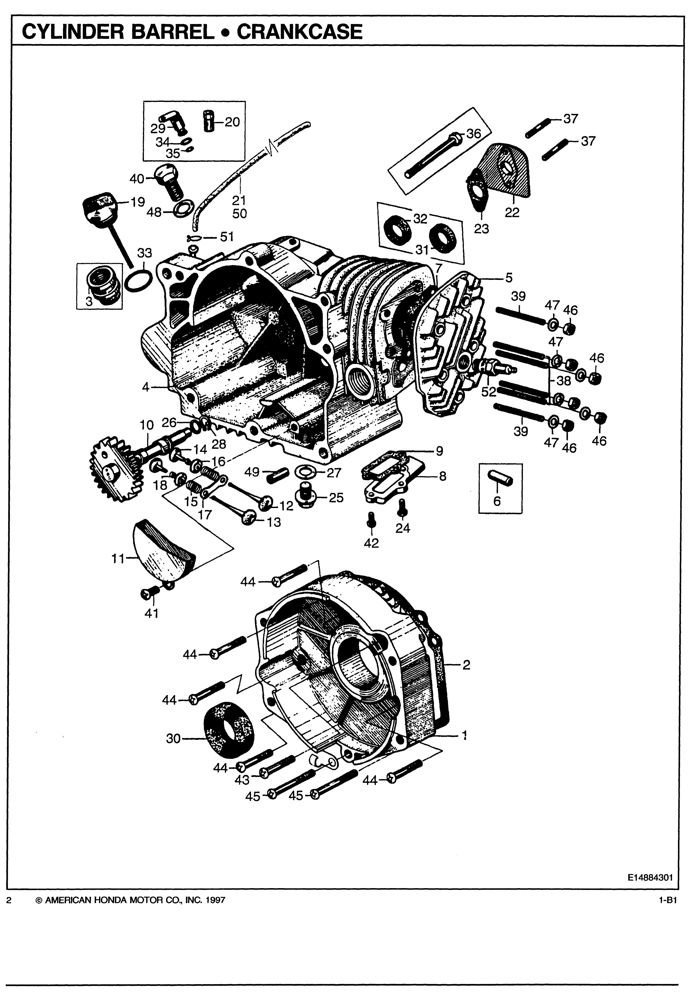
A sudden power outage can grind everything to a halt, but a reliable Honda generator is your shield against the dark. Yet, even the most dependable machines need care. When a component falters, reaching for authentic, Honda Generator Model-Specific Parts isn't just a recommendation—it's the only way to guarantee your generator performs exactly as engineered, delivering the power you depend on, every single time. Using anything less is a gamble with your generator's reliability and lifespan.
At a Glance: What You Need to Know About Honda Generator Model-Specific Parts
- Authenticity Matters: Genuine Honda parts are designed precisely for your specific model, ensuring perfect fit and optimal performance.
- Preventative Maintenance is Key: Many common parts like gaskets, spark plugs, and filters wear out over time and should be replaced proactively.
- The Model Number is Your Map: Always use your generator's full model number to find compatible parts—generic solutions often cause more problems than they solve.
- Common Replacements: Be aware of the functions and signs of wear for gaskets, spark plugs, air cleaner elements, fuel filters, and flange bolts.
- Access Expert Support: Reputable suppliers offer resources like repair guides and customer service to help you identify and install the right parts.
The Unseen Heroes: Why Model-Specific Matters for Your Honda Generator
You wouldn't put diesel in a gas engine, right? The same principle applies to internal components. Honda generators are precision-engineered machines, built with tight tolerances and specific material requirements. Every gasket, every bolt, every filter is designed to work in perfect harmony with the other parts in your particular generator model.
Opting for generic or "will-fit" parts might seem like a cost-saver upfront, but it’s a false economy. Ill-fitting components can lead to:
- Compromised Performance: Reduced efficiency, power output, or even failure to start.
- Increased Wear and Tear: Improper fit can accelerate damage to surrounding components.
- Safety Hazards: Leaks, overheating, or unexpected malfunctions.
- Voided Warranties: Using non-OEM parts can invalidate your generator's warranty.
Genuine Honda Generator parts, sourced directly from the manufacturer, ensure that every replacement meets the exact specifications, materials, and quality standards your generator was built with. This guarantees not just a perfect fit, but also the enduring reliability and peak performance you expect from a Honda.
Essential Honda Generator Parts: A Deep Dive into What Keeps Your Power On
To keep your Honda generator humming smoothly, understanding its core consumable and wear-and-tear parts is crucial. Here's a look at the components you'll most frequently encounter and why they're so vital.
Gaskets: The Seal of Performance
Imagine your engine as a complex network of chambers and pathways. Gaskets are the unsung heroes that ensure these connections remain airtight, preventing leaks and maintaining crucial compression. Made from compound, high-quality composite, or rubber, they act as vital seals throughout your generator.
Types You'll Encounter:
- Carburetor Gasket: Provides a seal between the carburetor and the insulator, or between the carburetor and its mounting plate, ensuring a proper fuel-air mixture delivery.
- Head Cover Gasket: Seals the head cover to the cylinder head, preventing oil leaks from the valve train area.
- Insulator-Cylinder Intake Gasket: Creates an airtight seal where the carburetor insulator meets the cylinder's intake port, critical for maintaining engine vacuum.
Why They Deteriorate: Over time, exposure to heat, pressure, and fuel, along with natural aging, causes gaskets to harden, crack, or become brittle. A failing gasket can lead to fuel or oil leaks, loss of compression, or improper air intake, all of which compromise performance. It's best practice to replace gaskets whenever you're servicing a related component, like cleaning a carburetor, to guarantee a fresh, correct seal upon reassembly.
Replacement Tools: Typically, a screwdriver or wrench will be all you need.
Step-by-Step: Replacing a Head Cover Gasket
- Preparation: Ensure the engine is cool and disconnected from any fuel source if applicable.
- Remove Bolts: Carefully remove the head cover bolt(s) securing the head cover.
- Separate Components: Gently pry the head cover away from the engine, taking care not to damage any mating surfaces. Remove the old gasket.
- Clean Surfaces: Scrape off any residual gasket material from both the head cover and the cylinder head using a plastic scraper, then wipe clean.
- Install New Gasket: Secure the new gasket in its designated groove or position on the head cover.
- Reattach Head Cover: Carefully place the head cover back onto the cylinder head, aligning it correctly.
- Tighten Bolts: Reinstall the head cover bolt(s) and tighten them to the manufacturer's specified torque, often in a crisscross pattern to ensure even pressure.
The Spark Plug: Ignition's Heartbeat
This small but mighty component is responsible for igniting the fuel-air mixture in your engine's combustion chamber. It delivers the electric current that creates the spark.
Maintenance Matters: A fouled or incorrectly gapped spark plug can lead to misfires, reduced power, and poor fuel efficiency. You should periodically inspect your spark plug and gap it according to the specific measurements provided in your generator's owner's manual.
Replacement Tools: A dedicated spark plug wrench or a socket wrench with the correct spark plug socket is essential for safe removal and installation.
Air Cleaner Element: Your Engine's Breath of Fresh Air
Your generator's engine needs a constant supply of clean air to function. The air cleaner element, typically a foam filter in Honda generators, is the first line of defense, filtering out dirt, dust, and debris before they can enter and damage the engine.
Why It Needs Replacement: Over time, the air cleaner element inevitably clogs with contaminants. A dirty filter restricts airflow, forcing your engine to work harder, reducing efficiency, and potentially leading to premature wear. Regular inspection and replacement are critical.
Fuel Filter: Purity for Power
Just as the air filter protects the engine from airborne particles, the fuel filter protects the carburetor and engine from contaminants in your fuel. These small, often plastic filters are crucial for maintaining consistent fuel flow.
The Cost of Clogging: Even clean-looking fuel can contain microscopic debris, rust, or water. Over time, these accumulate in the fuel filter, restricting the flow of fuel to the carburetor. A clogged fuel filter can cause your generator to run rough, lose power, or even fail to start. Replacement is necessary to ensure a steady supply of clean fuel.
Flange Bolt: The Silent Strength
While less exciting than an ignition system, flange bolts play a critical role in securing various components throughout your Honda generator. Characterized by a wide, flat flange under the head, they help distribute the load over a larger area, reducing the chance of loosening and providing a more secure connection.
Where You'll Find Them: Their exact location varies significantly by generator make and model, but they are commonly used in fastening engine components, shrouds, or structural parts.
The Danger of Damage: A damaged flange bolt (cracked, stripped, or corroded) can lead to parts loosening, vibrating excessively, or even detaching entirely during operation. This can cause further damage or create a safety hazard. Always replace broken or compromised flange bolts immediately.
Replacement Tools: A socket wrench is usually required. If a bolt is stuck due to rust or corrosion, a rust dissolver or penetrating oil might be necessary. Always consult your generator's user guide to identify the correct bolt type, location, and quantity for your specific repair.
Beyond the Basics: Other Critical Components
While the parts listed above are frequently replaced, your Honda generator has many other vital components that might occasionally need attention. These include complex carburetor components that regulate fuel delivery, voltage regulators that ensure stable power output, alternators for charging, and batteries for starting. Each of these parts is also model-specific and requires careful selection.
Finding Your Exact Match: The Model Number is Key
Identifying the correct replacement part for your Honda generator is surprisingly simple, provided you have one crucial piece of information: your generator's full model number. This number is typically found on a decal or plate located on the generator frame, engine block, or fuel tank. It's often a combination of letters and numbers (e.g., Honda EM4000SX or EG5000CL).
Once you have your model number, the process becomes straightforward. Many reputable suppliers, like Repair Clinic, offer genuine OEM Honda generator parts for a wide range of models. Their websites are designed to help you find precisely what you need:
- Enter Your Model Number: Use the search bar on their site and input your generator's complete model number.
- Browse Compatible Parts: The system will display all parts specifically designed for your model, from spark plugs and air filters to carburetor components and alternators.
- Utilize Resources: If you need further assistance, don't hesitate to contact their Customer Service at 1-800-269-2609. Many also provide a comprehensive repair help library with thousands of videos, articles, schematics, and diagrams that can guide you through troubleshooting and installation steps. This can be invaluable for DIY repairs.
By using your model number, you eliminate guesswork and ensure you're getting the authentic part designed for a perfect fit and optimal performance.
Proactive Maintenance: Keeping Your Honda Running Strong
Taking a proactive approach to your generator's maintenance is far more effective and less costly than waiting for a breakdown. Here are some best practices:
- Follow the Owner's Manual: This is your primary resource for maintenance schedules, part specifications (like spark plug gap), and fluid requirements.
- Regular Inspections: Periodically check your generator for visible signs of wear, leaks, or damage. Inspect filters, spark plugs, and fuel lines.
- Use Quality Fuel: Stale or contaminated fuel is a common culprit for generator issues. Use fresh, stabilized fuel, especially when storing your generator.
- Don't Skimp on Parts: As discussed, always choose genuine Honda model-specific parts. The slight extra cost is an investment in reliability and longevity.
Common Questions About Honda Generator Parts
Q: Why can't I just use a generic or universal part?
A: While some generic parts might superficially look similar, they rarely meet Honda's strict engineering specifications for materials, dimensions, and tolerances. This can lead to improper fit, reduced performance, premature wear on other components, and potentially even safety hazards. Furthermore, using non-OEM parts can often void your generator's warranty. Genuine Honda parts are designed to maintain the integrity and longevity of your machine.
Q: How often should I replace these common parts?
A: The frequency depends heavily on your generator's usage and environmental conditions. Your owner's manual provides a detailed maintenance schedule, typically based on operating hours or elapsed time. As a general guideline:
- Spark Plug & Air Filter: Annually or every 100-200 hours of operation.
- Fuel Filter: Every 1-2 years or 100-200 hours, especially if you've had fuel-related issues.
- Gaskets: As needed during repairs or if signs of leakage are present. It's often a good idea to replace gaskets anytime you disassemble a component they seal.
Always refer to your specific model's manual for precise recommendations.
Q: Can I install these parts myself, or do I need a professional?
A: Many common replacement parts like spark plugs, air filters, fuel filters, and even some gaskets are designed for user-friendly replacement. With basic tools, a bit of mechanical aptitude, and access to repair resources (like the videos and guides offered by reputable parts suppliers), you can often perform these replacements yourself. For more complex repairs involving internal engine components or electrical systems, consulting a certified Honda service technician is advisable. Always prioritize safety and ensure the generator is cool and disconnected from any power or fuel sources before beginning work.
Empowering Your Generator's Future
Your Honda generator is a significant investment in reliable power. By understanding the critical role of authentic, model-specific parts and committing to proactive maintenance, you're not just fixing a problem—you're ensuring its longevity and dependable performance. Take the guesswork out of repairs, choose genuine components, and keep your Honda generator ready to tackle whatever comes next.