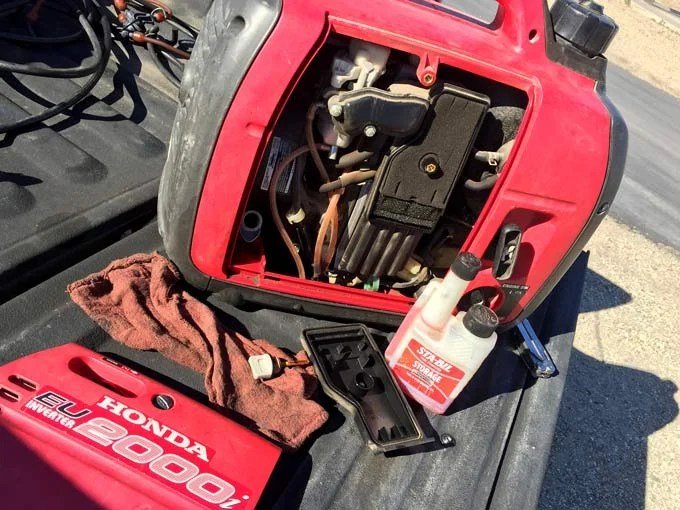
Owning a Honda generator means investing in a piece of equipment renowned for its reliability and long lifespan. But even the most robust workhorses need dedicated care to consistently deliver peak performance when you need it most. That's where Honda Generator Maintenance Essentials come in—a strategic approach to upkeep that ensures your power source is always ready, whether for a camping trip, a job site, or a critical power outage.
Think of generator maintenance not as a chore, but as an insurance policy for your peace of mind. Regular, proactive steps prevent costly breakdowns, extend the life of your investment, and guarantee it starts smoothly every time. This comprehensive guide will walk you through the key maintenance practices, transforming you from an owner into a true custodian of your Honda generator.
At a Glance: Your Honda Generator Maintenance Checklist
- Oil Changes: First change at 30 hours, then every 100 hours or seasonally. Check oil before each use.
- Fuel Management: Always use fresh gasoline; stabilize or drain fuel for storage longer than a month.
- Pre-Use Checks: Verify oil, air filter, spark plug, and fuel before every start.
- Operational Care: Ensure proper ventilation and keep the generator clean during use.
- Post-Use Wind-Down: Allow cooling time, clean the exterior, and store appropriately.
- Infrequent Use: Run for 30 minutes every two months to keep components lubricated.
- Understand Watts: Differentiate between continuous and startup wattage to prevent overload.
The Foundation: Why Maintenance Isn't Optional
Your Honda generator is a precision-engineered machine. Like any engine, its internal components operate under stress, heat, and friction. Neglecting basic maintenance allows these factors to accelerate wear and tear, leading to diminished performance, difficult starts, and ultimately, premature failure.
Regular maintenance isn't just about fixing problems; it's about prevention. It ensures optimal fuel efficiency, consistent power output, and most importantly, extends the operational life of your generator, safeguarding your investment for years to come.
The Lifeblood: Mastering Oil Maintenance
Engine oil is to your generator what blood is to your body—it lubricates moving parts, reduces friction, dissipates heat, and cleans internal components. Proper oil maintenance is arguably the single most critical aspect of your Honda generator’s health.
The Inaugural Oil Change: A Crucial First Step
For a brand-new portable generator, the first oil change is vital. Manufacturers recommend changing the oil after the initial 30 hours of usage. This "break-in" period allows new engine components to seat properly and sheds any manufacturing debris or metal fragments that might be present. Draining this initial oil cleanses the system and prepares it for a long, healthy life.
Regular Oil Changes: The Rhythm of Reliability
Following the break-in, subsequent oil changes should occur every 100 hours of usage. If your generator sees less frequent action, make it a point to change the oil at the beginning of each new season, regardless of the hours accumulated. This seasonal change is crucial because oil can degrade over time, even when not in active use, losing its lubricating and protective properties.
Some Honda models might have slightly different recommendations, so always consult your specific owner's manual for the precise intervals.
The Daily Ritual: Checking Oil Levels
Before each and every use, make it a habit to check your generator's oil level. This simple, 60-second task can prevent catastrophic engine damage. Low oil levels can lead to excessive friction, overheating, and ultimately, a seized engine.
How to Check:
- Place the generator on a level surface.
- Locate the oil fill cap/dipstick (refer to your manual if unsure).
- Unscrew the cap and wipe the dipstick clean.
- Reinsert the dipstick (without screwing it in, typically) until it rests on the fill hole.
- Remove and check the oil level against the "full" or "add" marks.
- If needed, add the manufacturer-recommended oil type slowly until it reaches the correct level. Do not overfill.
The Unsung Hero: Oil Filters
With every oil change, it's a non-negotiable best practice to swap out your oil filter. The filter traps contaminants and particles, preventing them from circulating through the engine. A clogged or old filter can restrict oil flow, compromising lubrication and cleanliness. Think of it as replacing your kidney filter—you wouldn’t want a dirty one for long!
Spotting Trouble: When to Change Dirty Oil
Sometimes, your oil might need changing even if you haven't hit the hour mark. If the oil on your dipstick looks dark, murky, or has a gritty texture, it’s a sign that it’s time for a change. Dirty oil indicates that it's no longer effectively cleaning or lubricating the engine and should be replaced immediately. For some Honda models, the recommendation is to change oil if it looks dirty or has been used for over 50 hours, even if the standard interval is 100 hours.
Fueling Success: Storage & Freshness Management
Gasoline isn't just fuel; it's a critical component of your generator's operation. Its quality and how it's stored directly impact performance and longevity.
Fresh is Best: The Golden Rule of Fuel
Always use fresh gasoline in your Honda generator. Stale gasoline, often referred to as "varnished" fuel, can cause a host of problems. Over time, gasoline oxidizes and separates, forming gummy deposits that can clog the carburetor, fuel lines, and injectors, leading to starting problems, erratic running, or complete engine failure. Fuel older than 30 days is generally considered stale.
Long-Term Storage: Stabilize or Drain
If you anticipate storing your generator for a month or longer—perhaps after a storm season or for the winter—proper fuel management is essential.
- Add Fuel Stabilizer: Pour a high-quality fuel stabilizer into the tank according to the product's instructions.
- Circulate: Run the generator for approximately 10 minutes. This allows the stabilizer to circulate throughout the entire fuel system, protecting the carburetor, fuel lines, and tank from harmful deposits.
- Cool Down: Turn off the generator and allow it to cool completely.
- Drain the Tank: Completely drain the fuel tank into an approved gasoline container. Most generators have a drain plug or a fuel shut-off valve that allows the carburetor to be drained as well.
- Run Until Dry: Restart the generator and let it run until it completely stops due to lack of fuel. This ensures all remaining fuel in the carburetor bowl and fuel lines is consumed, preventing residue buildup.
- Store Safely: Store the generator in a dry, cool, and well-ventilated location.
This process prevents the issues associated with stale fuel and keeps your generator ready for its next deployment.
Reviving a Slumbering Generator: Dealing with Old Fuel
If your generator has been sitting for an extended period with old fuel in the tank, attempting to start it will likely be futile and potentially damaging.
Solution:
- Drain Completely: Drain all the old fuel from the tank and carburetor.
- Refill with Fresh Fuel: Add a fresh batch of gasoline to the tank.
- Consider Carburetor Cleaning: If the old fuel sat for a very long time, the carburetor might already have significant deposits. You may need to clean or even replace the carburetor to restore proper function.
The Pre-Flight Checklist: Before Every Use
Before you even think about pulling the recoil cord, a quick pre-use inspection can save you a world of trouble. This routine ensures your generator is not only ready to start but also safe to operate.
1. Check Oil Level (Again!)
Yes, we mentioned it, and we’ll mention it again. A low oil level is the quickest way to destroy your engine. Always verify the oil is at the correct level with the manufacturer-recommended type.
2. Inspect the Air Filter: The Engine’s Lungs
The air filter protects your engine from dust, dirt, and debris. A dirty or clogged air filter restricts airflow, causing the engine to run rich (too much fuel, not enough air), which leads to reduced power, increased fuel consumption, and premature wear.
Maintenance:
- Remove: Carefully remove the air filter cover and the filter element.
- Clean (Foam Filters): If it’s a foam filter, wash it gently in warm, soapy water. Rinse thoroughly until the water runs clear, then squeeze out excess water. Allow it to air dry completely before lightly saturating it with fresh engine oil and squeezing out any excess.
- Replace (Paper Filters/Damaged Filters): Paper filters are typically not washable and should be replaced if dirty. Always replace any air filter that appears torn, brittle, or otherwise damaged. A fresh air filter ensures efficient operation and maximum engine protection. When you need a replacement, you can often find what you need when you Shop Honda generator parts.
3. Examine the Spark Plug: The Ignition Point
The spark plug is responsible for igniting the fuel-air mixture in the combustion chamber. A dirty, fouled, or worn spark plug can lead to difficult starting, misfires, reduced power, and poor fuel economy.
Maintenance:
- Remove: Use a spark plug wrench to carefully remove the spark plug.
- Inspect: Look at the electrode and insulator. They should be clean and light brown.
- Clean: If you see carbon deposits, gently clean them off with a wire brush or a spark plug cleaner.
- Check Gap: Verify the spark plug gap using a feeler gauge, adjusting if necessary (consult your manual for the correct gap).
- Replace: If the plug is heavily fouled, has a cracked insulator, or shows signs of excessive wear (e.g., rounded electrodes), replace it with a new one of the correct type and heat range.
4. Test Fuel: Confirm Freshness
Double-check that your fuel tank contains fresh gasoline. If there's any doubt about its age, it's always best to drain it and refill.
5. Check for Leaks or Damaged Components
Before starting, visually inspect the entire generator.
- Look for Leaks: Check for any signs of fuel leaks around the tank, fuel lines, or carburetor. Also look for oil leaks around the engine block.
- Inspect Hoses and Connections: Examine fuel lines and hoses for cracks, brittleness, or loose connections.
- General Condition: Ensure all guards, covers, and structural components are secure and undamaged. Fix any issues before starting.
Keeping It Running: During Operation Best Practices
Proper operation during use is just as important as pre-use checks for the longevity and safety of your Honda generator.
Keep It Clean: Away from Debris
During operation, ensure your generator is placed in an area free from excessive dirt, dust, leaves, and other debris. These can be drawn into the engine or cooling fins, causing overheating or premature wear to internal components. If operating in a dusty environment, consider more frequent air filter checks and cleanings.
Maintain Proper Ventilation: The Golden Rule of Safety
This isn't just maintenance; it's a life-saving safety protocol.
NEVER operate a generator in an enclosed space, such as a garage, basement, shed, or even near open windows or doors of your home. Generators produce carbon monoxide (CO), a colorless, odorless, and deadly gas.
- Outdoor Use Only: Always operate your Honda generator outdoors, in a well-ventilated area, far away from windows, doors, and vents that could allow exhaust fumes to enter occupied spaces.
- Clear Exhaust: Ensure the exhaust port is clear and unobstructed. Never point the exhaust towards people or structures.
- CO Detector: Install battery-operated carbon monoxide detectors in your home if you are using a generator nearby.
Winding Down: Post-Use Actions for Longevity
What you do immediately after turning off your generator also contributes significantly to its lifespan and readiness for the next use.
Turn Off and Cool Down: The Gentle Transition
After you’re done using your generator, don’t just switch it off immediately and walk away.
- Remove Load: First, disconnect all electrical loads from the generator.
- Run Without Load: Let the generator run for a few minutes without any load. This allows the engine to cool down gradually, stabilize internal temperatures, and circulate oil, which helps prolong its lifespan. It also helps burn off any residual fuel in the carburetor.
- Shut Down: Once cooled, you can turn off the generator.
Clean the Exterior: Preventing Corrosion
A quick wipe-down after use can prevent long-term issues.
- Remove Dust and Dirt: Use a damp cloth to wipe down the exterior of the generator, removing any dust, dirt, or mud that may have accumulated.
- Check for Moisture: Ensure no moisture remains on sensitive components. This prevents corrosion and keeps the cooling fins clear for optimal heat dissipation.
Store Properly: Protection from the Elements
Where and how you store your generator impacts its condition.
- Dry, Cool, Ventilated: Store your generator in a dry, cool, and well-ventilated location, away from direct sunlight and extreme temperatures.
- Cover It Up: If storing for an extended period, especially for the off-season, cover it with a breathable, protective cover. This shields it from dust, moisture, and potential damage from pests. Remember to perform fuel stabilization or draining if storing for longer than a month.
The Infrequent User's Guide: Keeping Idle Generators Ready
Even if your Honda generator sits idle for long stretches, it still needs attention. Infrequent usage can lead to issues like gummed-up fuel systems or lubricants settling and drying out.
The Bi-Monthly Run: Exercise Your Engine
If you’re not using your generator regularly, make it a point to run it for about half an hour every two months.
- Circulate Fluids: This exercise circulates the oil and other lubricants throughout the engine, preventing them from settling and hardening.
- Prevent Fuel Stagnation: It also keeps fresh fuel moving through the system, helping to prevent minor fuel stagnation and ensuring the engine components remain lubricated and free-moving.
- Battery Charge: If your generator has an electric start and a battery, this periodic run also helps to keep the battery charged.
This simple routine ensures that when you do need your generator in an emergency, it's ready to roar to life without hesitation.
Understanding Your Generator's Power: Watts Explained
A common pitfall in generator operation is misunderstanding its power capacity. Your generator manual lists two main wattage ratings, and confusing them can lead to overloading and damage.
Continuous Watts (Running Watts)
This is the power output your generator can produce continuously on a typical basis. This is the rating you should use as your primary guide when calculating your power needs and when shopping for generators. For instance, if a generator is rated for 3000 continuous watts, it can safely power appliances that collectively draw up to 3000 watts for an extended period.
Higher Rating (Starting Watts or Surge Watts)
This represents a burst of power output that the generator can provide for a few seconds. This temporary surge is specifically designed to handle the initial "startup" draw of certain appliances with electric motors (like refrigerators, air conditioners, or power tools), which require significantly more power to get going than they do to run steadily.
Crucial Distinction: Do not confuse this higher starting wattage with the continuous output. Trying to run appliances that continuously draw power equal to or exceeding the starting watts will overload your generator, potentially causing it to burn out, trip breakers, or suffer severe damage. Always match your continuous load to the generator's continuous wattage rating.
Troubleshooting Common Honda Generator Hiccups
Even with meticulous maintenance, a generator might occasionally present a minor issue. Here are quick solutions to common problems based on our maintenance essentials:
"My Generator Won't Start!"
- Check Fuel: Is there fresh gasoline in the tank? Is the fuel valve open?
- Check Oil: Is the oil level correct? Many Honda generators have a low-oil shutdown feature.
- Check Spark Plug: Is it clean and properly gapped? Is the spark plug wire securely attached?
- Check Air Filter: Is it clean and unobstructed?
- Check Choke: Is the choke set correctly for starting (usually closed when cold)?
- Fuel Stabilizer: If it's been sitting, did you use fuel stabilizer or drain the old fuel? Old, unstabilized fuel is a prime suspect.
"My Generator Is Running Rough/Losing Power!"
- Air Filter: A dirty air filter is a very common cause of reduced power and rough running.
- Spark Plug: A fouled or worn spark plug can lead to misfires.
- Stale Fuel: Old or contaminated fuel can cause erratic engine behavior.
- Overload: Are you trying to power too many devices, exceeding the continuous wattage? Disconnect some loads and see if it improves.
- Ventilation: Ensure it’s in a well-ventilated area and not overheating.
"My Generator Is Leaking!"
- Identify Source: Carefully locate the source of the leak (fuel, oil).
- Tighten Connections: Check all fuel lines, hoses, and oil drain plugs for looseness.
- Inspect Components: Look for cracks in hoses or the fuel tank. Replace any damaged Honda generator parts immediately.
- Professional Help: If you can’t identify or fix the leak, it’s time to consult a qualified technician. Fuel and oil leaks are fire hazards and should not be ignored.
Your Next Steps for a Long-Lasting Honda
Maintaining your Honda generator isn't rocket science, but it does require attention to detail and consistency. By following these essential steps—from diligent oil changes and fuel management to meticulous pre-use inspections and safe operational practices—you're not just performing maintenance; you're actively ensuring the reliability and longevity of your power investment.
Make these practices a routine, consult your owner's manual for model-specific details, and always prioritize safety. With proper care, your Honda generator will continue to be a dependable source of power, ready to serve you faithfully for years to come.