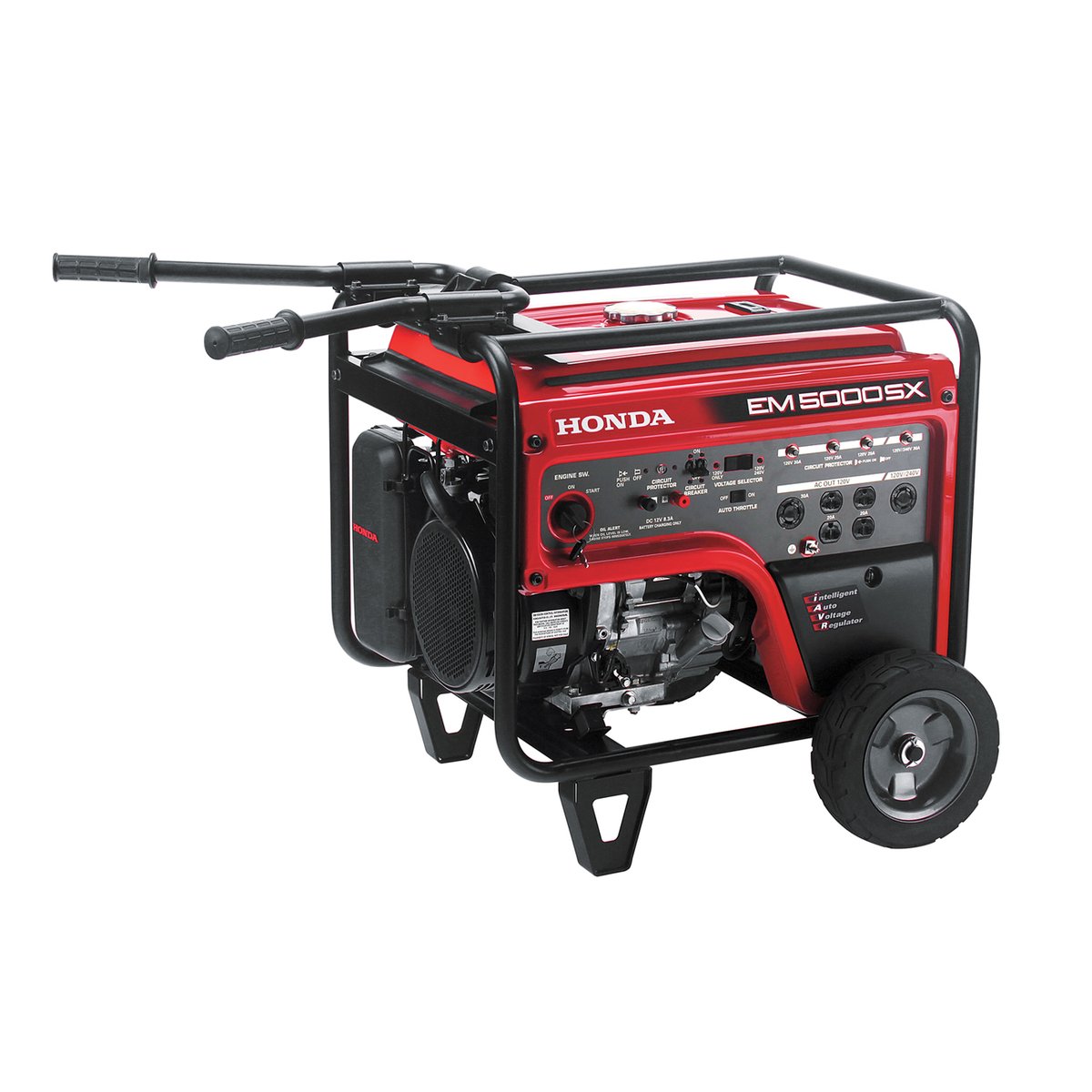
When your Honda generator—that trusted sentinel of power—needs a new part, the last thing you want is a replacement that doesn't fit, doesn't work, or worse, compromises its renowned reliability. Buying Honda generator parts isn't just about clicking "add to cart"; it's a precise operation that demands attention to detail. Get it wrong, and you're stuck with downtime, frustration, and possibly a damaged generator. Get it right, and your investment continues to purr, ready for whatever life throws its way.
Here's how to navigate the world of Honda generator parts with confidence.
At a Glance: Your Guide to Accurate Honda Generator Part Purchases
- Your Serial Number is King: This is the single most important piece of information for finding correct parts.
- Prioritize OEM: Original Equipment Manufacturer (OEM) parts guarantee fit, function, and maintain your generator's integrity.
- Use Honda's Official Catalogs: Start with peparts.honda.com for the most accurate information.
- Verify Part Numbers: Always cross-reference the part number before purchasing.
- Understand Return Policies: Especially when buying online, know what you're getting into.
The Unseen Power of Precision: Why Accuracy Matters
It might seem like a small thing—just a spark plug or an air filter—but for sophisticated machinery like a Honda generator, every component is part of an intricate ecosystem. An incorrect part can lead to a cascade of problems: poor performance, reduced fuel efficiency, increased wear and tear on other components, voided warranties, and even safety hazards.
Imagine a critical power outage: you pull the starter, and nothing. Or worse, it starts, but then sputters and dies because a non-spec fuel filter is starving the engine. This isn't just inconvenient; it can be dangerous if you're relying on that power for essential medical equipment or to keep your home warm in a storm. Genuine, correctly matched Honda generator parts ensure your unit operates as the engineers intended, offering peak performance and longevity.
Your Golden Ticket: The Honda Generator Serial Number
Think of your Honda generator's serial number as its unique DNA. Unlike model numbers, which can encompass many variations of the same generator, the serial number identifies your specific unit. This is paramount because, as Honda themselves state, "Honda Power Equipment has many different versions of each model, each for a different application."
Where to Find Your Serial Number:
Most Honda generators have the serial number clearly stamped on a metal plate or sticker on the frame. Common locations include:
- Near the engine: Often on the engine block itself or a bracket attached to it.
- On the generator's frame: Look on the front, side, or rear panels, often near the control panel or the fuel tank.
- On the muffler guard.
It typically consists of a series of letters and numbers (e.g., "EAJ-1234567"). Make sure to write it down accurately or, even better, snap a photo. This number unlocks the exact parts catalog specific to your generator, eliminating guesswork.
The Great Divide: OEM vs. Aftermarket Parts
When you're searching for replacement components, you'll inevitably encounter two main categories: Original Equipment Manufacturer (OEM) parts and aftermarket parts. Understanding the difference is crucial for your generator's health.
Original Equipment Manufacturer (OEM) Parts
These are parts manufactured by Honda or by a company contracted by Honda to produce parts to their exact specifications. They are, quite simply, the same parts that came with your generator when it was new.
Pros of OEM Parts:
- Guaranteed Fit and Compatibility: Designed specifically for your Honda model, ensuring perfect fitment and seamless integration.
- Superior Quality and Durability: Manufactured to Honda's rigorous standards, using high-quality materials for optimal performance and longevity.
- Maintains Warranty: Using OEM parts typically ensures your generator's warranty remains intact.
- Reliability and Performance: Your generator will operate exactly as intended, maintaining its original power output and fuel efficiency.
Cons of OEM Parts: - Higher Cost: Generally more expensive than aftermarket alternatives.
Aftermarket Parts
These are parts manufactured by third-party companies, not by Honda. They are designed to function similarly to the original parts but are not made to Honda's exact specifications or under their quality control.
Pros of Aftermarket Parts:
- Lower Cost: Often significantly cheaper than OEM parts.
- Wider Availability: Sometimes easier to find, especially for older or less common models.
Cons of Aftermarket Parts: - Variable Quality: Quality can range from decent to poor, with no guarantee of consistency.
- Fitment Issues: May require modifications to fit, or simply not fit at all, leading to frustration and potential damage.
- Performance Compromises: Can lead to reduced efficiency, power output, or even premature failure of other components.
- Voided Warranty: Using non-OEM parts can void your generator's warranty.
- Risk of Damage: Poorly manufactured aftermarket parts can cause serious harm to your generator's engine or electrical system.
The Verdict: For critical components—anything related to the engine, fuel system, electrical system, or safety features—always opt for OEM Honda generator parts. The slight cost saving on an aftermarket part is rarely worth the risk of damaging a valuable piece of equipment or compromising its safety and performance. For non-critical, easily replaceable items like wheels or handles, an aftermarket option might be considered, but with caution.
Your Best Bet: Where to Buy Honda Generator Parts Online
The internet has revolutionized how we find and purchase parts. For Honda generators, the best online sources prioritize accuracy and genuine components.
1. Honda's Official Power Equipment Parts Catalog
This is your first and most reliable stop. Honda provides an incredibly user-friendly online catalog, designed to help you find the precise part you need.
- Website: peparts.honda.com/powerequipment
- How it Works: You can search by model number, but the most accurate way is to enter your serial number. This will bring up an exploded diagram specific to your generator, allowing you to visually identify the part and confirm its exact part number.
- Why it's Best: Directly from the source, guaranteeing correct fitment and genuine OEM parts information. You'll see diagrams, part numbers, and often, pricing.
Once you have the part number from Honda's catalog, you can then use it to purchase from authorized dealers.
2. Authorized Honda Power Equipment Dealers (Online Portals)
Many authorized Honda dealers operate robust online stores. These sites often pull directly from Honda's parts databases, offering the same accuracy as the official catalog but with direct purchasing options. Heartland Honda's parts site is a great example:
- Website Example: hondapowersportsparts.com/oemparts/c/honda_power_equipment_generator/parts
- Benefits:
- Genuine OEM Parts: They stock and sell authentic Honda parts.
- Expert Support: Many offer customer service lines where you can speak with knowledgeable staff who can verify part numbers.
- Warranty Compliance: Purchases through authorized dealers maintain your generator's warranty.
- Often Integrated Search: Some dealer sites allow you to enter your serial number directly, much like Honda's own catalog.
When purchasing from an authorized dealer, always double-check that they are indeed an authorized Honda dealer. A quick search on Honda's official website can usually confirm this.
3. Reputable Third-Party Online Retailers (with caution)
While it's generally best to stick with Honda's official catalog or authorized dealers for crucial Honda generator parts, some larger, well-known online retailers (e.g., Amazon, eBay, specialty parts stores) do carry Honda generator parts.
- Key Considerations:
- Seller Reputation: Only buy from sellers with overwhelmingly positive reviews and a long history.
- "OEM" vs. "Aftermarket": Be extremely vigilant. Many listings will conflate the two or poorly label them. Always read the description carefully.
- Part Number Verification: Never purchase solely based on a picture or general model description. You absolutely must cross-reference the part number you found using your serial number.
- Return Policy: Ensure the seller has a clear and reasonable return policy in case the part is incorrect or defective.
Pro Tip: If a deal seems too good to be true, especially on a critical component, it probably is. The slight savings often don't justify the potential risk.
Common Honda Generator Parts You Might Need
Understanding some of the most frequently replaced or serviced parts can help you anticipate needs and identify them in diagrams.
- Spark Plugs: Essential for ignition. Need regular inspection and replacement.
- Air Filters: Protect the engine from dust and debris. Replacements are model-specific.
- Oil Filters: For models with oil filtration, these keep the engine oil clean.
- Fuel Filters: Prevent contaminants from reaching the carburetor. Crucial for fuel system health.
- Carburetors: Can get gummed up with old fuel; sometimes replacement is easier than cleaning.
- Recoil Starters: The pull-cord mechanism. Springs or cords can break.
- Voltage Regulators: Manage power output and prevent surges. A crucial electrical component.
- Wheels and Handle Kits: For portability. Can break or wear out.
- Mufflers: Reduce engine noise. Can rust or sustain damage.
- Gaskets and O-rings: For sealing various engine and fuel system components.
For any of these, especially engine-related parts, the serial number search on Honda's official site is the definitive path to finding the right fit.
Installation & Maintenance: Beyond Just Buying the Part
Once you have the correct Honda generator parts, proper installation is key.
- Consult Your Owner's Manual: Your generator's owner's manual (also often available as a PDF download from Honda's website) will have specific instructions for basic maintenance and part replacement.
- Safety First: Always disconnect the spark plug wire and ensure the generator is cool before performing any maintenance or part replacement.
- Torque Specifications: For engine components, using a torque wrench to tighten bolts to the manufacturer's specified settings is crucial to prevent damage or leaks.
- Consider a Professional: If you're unsure about replacing a critical part, especially those involving the electrical system or complex engine components, it's always best to consult a certified Honda service technician. Improper installation can be dangerous and costly.
Regular maintenance, using the right parts and procedures, is the bedrock of a long-lasting and reliable generator.
Don't Fall for These Traps: Pitfalls to Avoid
Even with the best intentions, it's easy to make mistakes when buying generator parts.
- "One Size Fits All" Mentality: While some small items (like certain bolts or general-purpose cleaners) might be universal, critical generator components rarely are. Avoid "universal fit" claims for anything vital.
- Relying Solely on Model Name: "I have a Honda EU2200i, so any EU2200i part will work." This is a common misconception. As mentioned, variations exist. Always use the serial number.
- Ignoring Part Numbers: Once you find the correct part number (via serial number lookup), stick to it. Don't be swayed by visually similar parts with different numbers.
- Not Checking Return Policies: Before you finalize an online purchase, especially from a third-party seller, understand their return policy. What if the part is wrong, or arrives damaged? Are there restocking fees?
- Assuming Aftermarket is "Good Enough": While tempting due to cost, for reliability and safety, OEM is almost always the superior choice for generator components. The inconvenience and cost of a breakdown far outweigh the initial savings.
Your Final Check: Before You Hit "Order"
You've done the research, you've got your serial number, and you've found a part that looks right. Before you commit, run through this quick checklist:
- Serial Number Match: Did you use your generator's serial number to find the part?
- Part Number Verification: Does the part number on the product page exactly match the one you found in Honda's official catalog for your specific serial number?
- OEM Confirmation: Is the part explicitly listed as "OEM Honda" or "Genuine Honda Part" if it's a critical component?
- Seller Credibility: Are you buying from an authorized Honda dealer or a highly reputable seller?
- Return Policy: Do you understand and agree with the return policy?
- Quantity: Are you ordering the correct quantity of parts? (e.g., if you need two spark plugs, don't order one).
By following these steps, you empower yourself to make informed decisions, ensuring you get the exact Honda generator parts you need. Your generator is a valuable asset; investing a little time in accurate parts procurement will pay dividends in its reliable service for years to come.